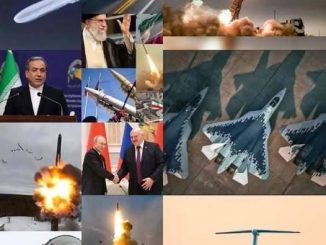
A massive missile impact that triggered a kilometer wide explosion has sent shockwaves across the international community, raising urgent questions about modern warfare, missile defense systems, and global security stability. The unprecedented scale of destruction highlights the devastating power of advanced missile technology and its potential consequences for civilian populations, military infrastructure, and geopolitical balance. As details continue to emerge, experts are analyzing the event to understand its causes, impact radius, and long term implications for regional and global peace.
The explosion, described by eyewitnesses as a blinding flash followed by a towering plume of smoke and debris, reportedly covered an area stretching over one kilometer in diameter. The sheer magnitude of the blast wave caused widespread structural damage, shattered windows miles away, and disrupted communication networks. Emergency response teams were deployed immediately, working to contain fires, rescue survivors, and assess environmental contamination risks. The force generated by such a missile impact demonstrates the destructive capacity of modern high yield warheads and the critical need for advanced early warning systems.
Military analysts suggest that a missile capable of producing a kilometer wide explosion likely involves either a highly powerful conventional payload or a specialized advanced weapons system designed for maximum impact. The event has intensified discussions around missile proliferation, defense alliances, and the effectiveness of interception technologies. Nations with advanced radar and anti missile systems are now reviewing their preparedness levels to prevent similar catastrophic scenarios in the future.
Beyond the immediate destruction, the environmental consequences of such a large scale explosion are significant. The blast can release toxic particles into the atmosphere, damage ecosystems, and contaminate soil and water sources. Environmental agencies are conducting air quality tests and monitoring radiation or chemical traces if applicable. The long term ecological impact will depend on the composition of the missile payload and the surrounding geography, but large explosions often leave lasting scars on both natural landscapes and urban environments.
The psychological impact on affected communities cannot be overlooked. Residents in the blast zone reported intense shock, fear, and confusion as emergency sirens echoed through the area. Such events often lead to long lasting trauma, displacement, and economic instability. Governments and humanitarian organizations are mobilizing resources to provide shelter, medical assistance, and mental health support to those impacted by the disaster.
From a geopolitical perspective, a missile strike of this magnitude carries serious diplomatic consequences. Global leaders are calling for transparency, investigation, and restraint to prevent further escalation. International organizations may seek emergency meetings to address accountability and reinforce treaties aimed at controlling missile development and deployment. The situation underscores the fragile nature of global security and the importance of diplomatic channels in times of crisis.
Defense experts are also emphasizing the role of technology in both the development and prevention of such catastrophic events. Satellite surveillance, artificial intelligence driven threat detection, and rapid response defense systems are becoming increasingly vital in identifying and neutralizing missile threats before impact. Investments in missile defense infrastructure are expected to rise as countries reassess their vulnerability in light of this explosion.
The kilometer wide explosion serves as a stark reminder of the destructive power embedded in modern military arsenals. While investigations continue, the event is already shaping conversations about international law, arms control agreements, and the balance between deterrence and escalation. As the world watches closely, the hope remains that lessons learned from this devastating missile impact will lead to stronger safeguards, improved defense coordination, and renewed commitments to global peace and stability.